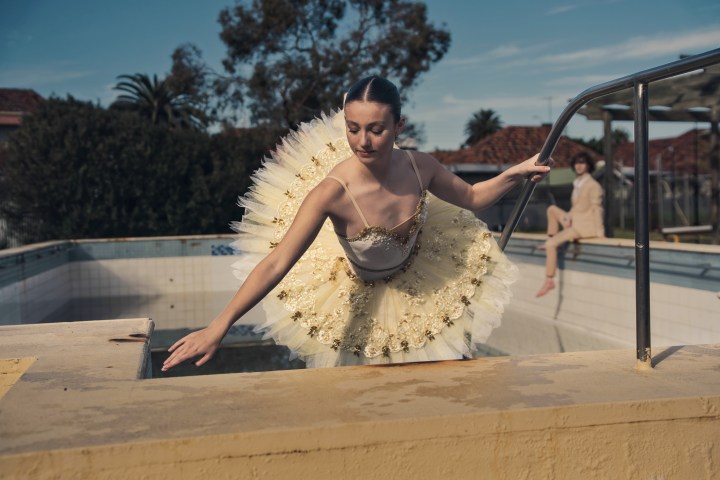
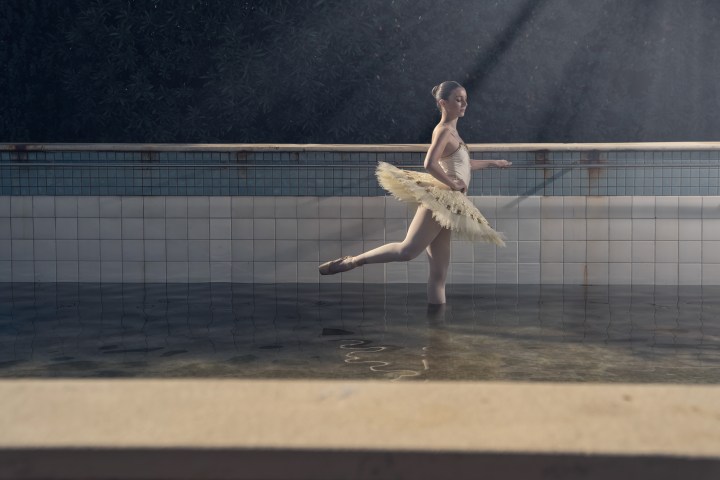
As a socio-political visual artist, I have created visual stories over the last 20 years about substance abuse, unemployment, and poverty, to name a few. This week I wanted to represent the ‘Suburbian Melancholy’ from the youth in Australia.
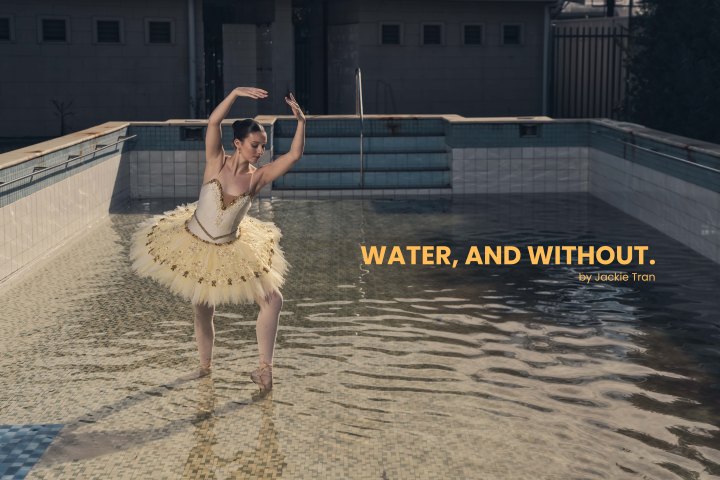
WATER, AND WITHOUT – by Jackie Tran
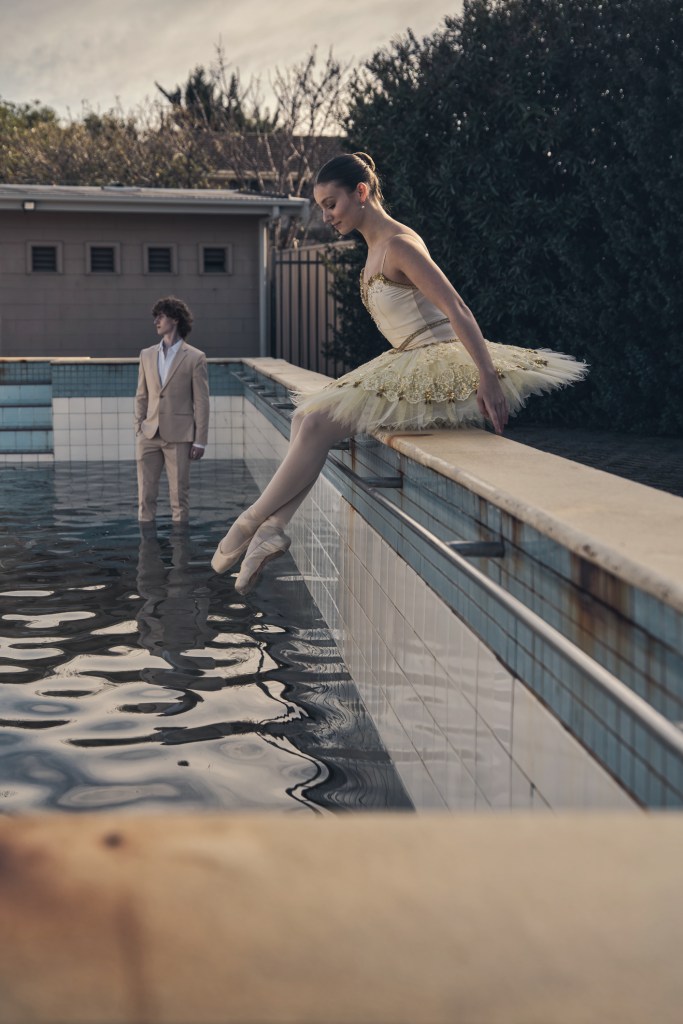
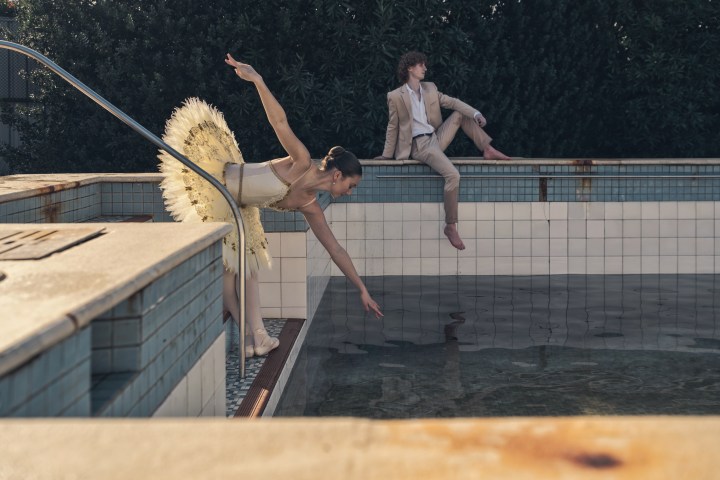
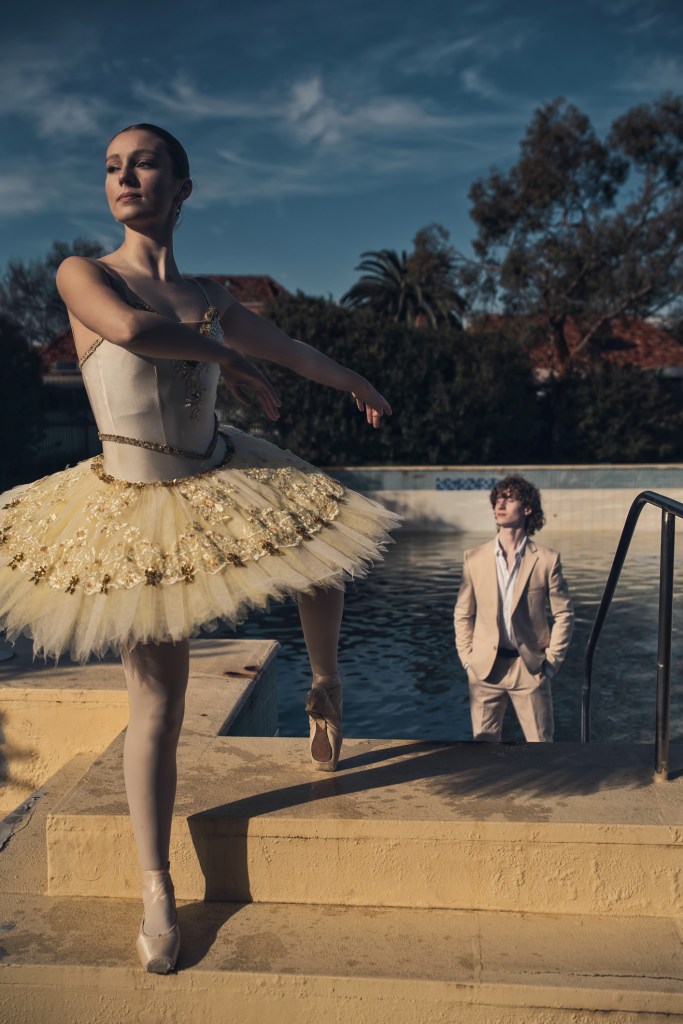
The almost empty, derelict swimming pool is a visual representation of suburbia’s melancholy: that gentle lingering loneliness and fleeting beauty, from conformity and a sense of belonging, but not. It is quiet, persistent, and difficult to name.
Modern suburbia can feel paradoxical. It is safe, comfortable, and materially abundant, yet many young people experience a profound sense of stagnation. They live among neat streets, shopping centres, gyms, fast-food outlets, and endless housing developments, but often struggle to find meaningful places to gather, create, or belong. The physical landscape is designed for consumption and commuting rather than community.
The Australian suburban dream itself has become increasingly elusive. Young people drive past million-dollar homes knowing that ownership may remain decades away, if it is attainable at all. They see the symbols of stability around them while feeling excluded from them. This creates a peculiar emotional tension: living inside a system whose rewards seem visible but increasingly out of reach.
Technology has deepened this melancholy. A teenager in suburban Adelaide, Melbourne, or Sydney can instantly compare their life to influencers in New York, entrepreneurs in Singapore, or travellers in Europe. The ordinary rhythms of suburban life – school, work, local sport, weekend shopping – can appear mundane when contrasted with a constant stream of extraordinary experiences curated online. The result is often not envy but a lingering sense that life is happening somewhere else.
There is also a growing loss of collective identity. Earlier generations often found belonging through churches, unions, local clubs, military service, or long-term employment. Many of these institutions have weakened. Young Australians are more connected digitally than ever before, yet frequently report feeling isolated. They have networks, but not always communities.
Perhaps the defining characteristic of suburban melancholy is the feeling of being suspended between comfort and uncertainty. Most young Australians are not facing war, famine, or societal collapse. They possess opportunities unimaginable to previous generations. Yet many also carry a persistent anxiety about housing affordability, climate change, career insecurity, and the rising cost of living. They are comfortable enough to dream, but uncertain enough to doubt those dreams.
Lincoln is 17 at the time of this photo series, I would love to see where he will be in 10 years time, hopefully see the world and more.
Jackie – June, 2026.